
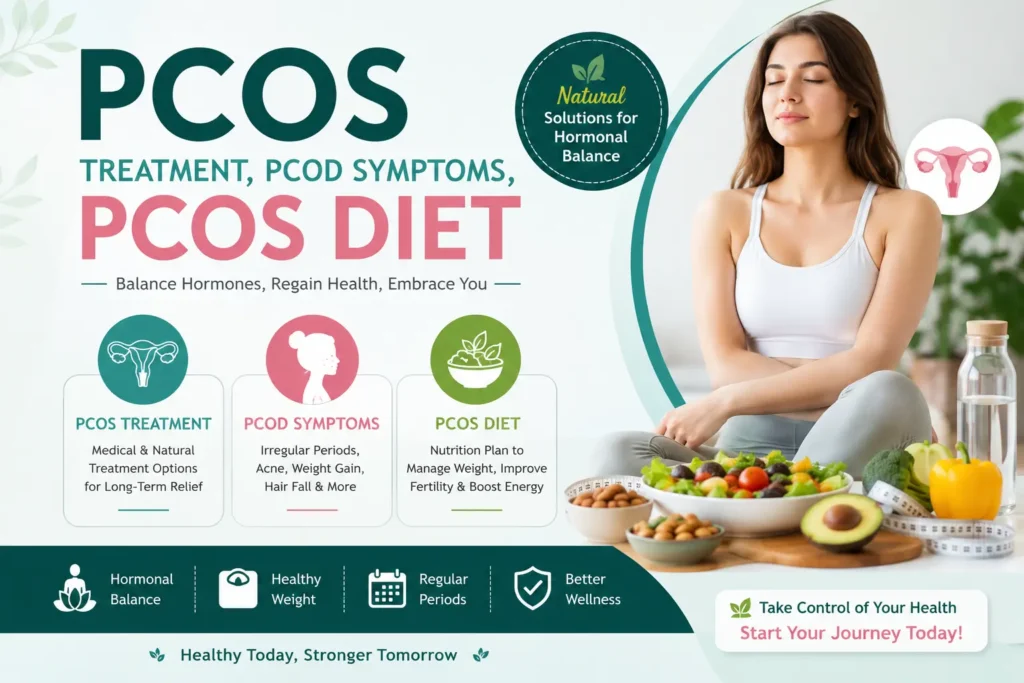
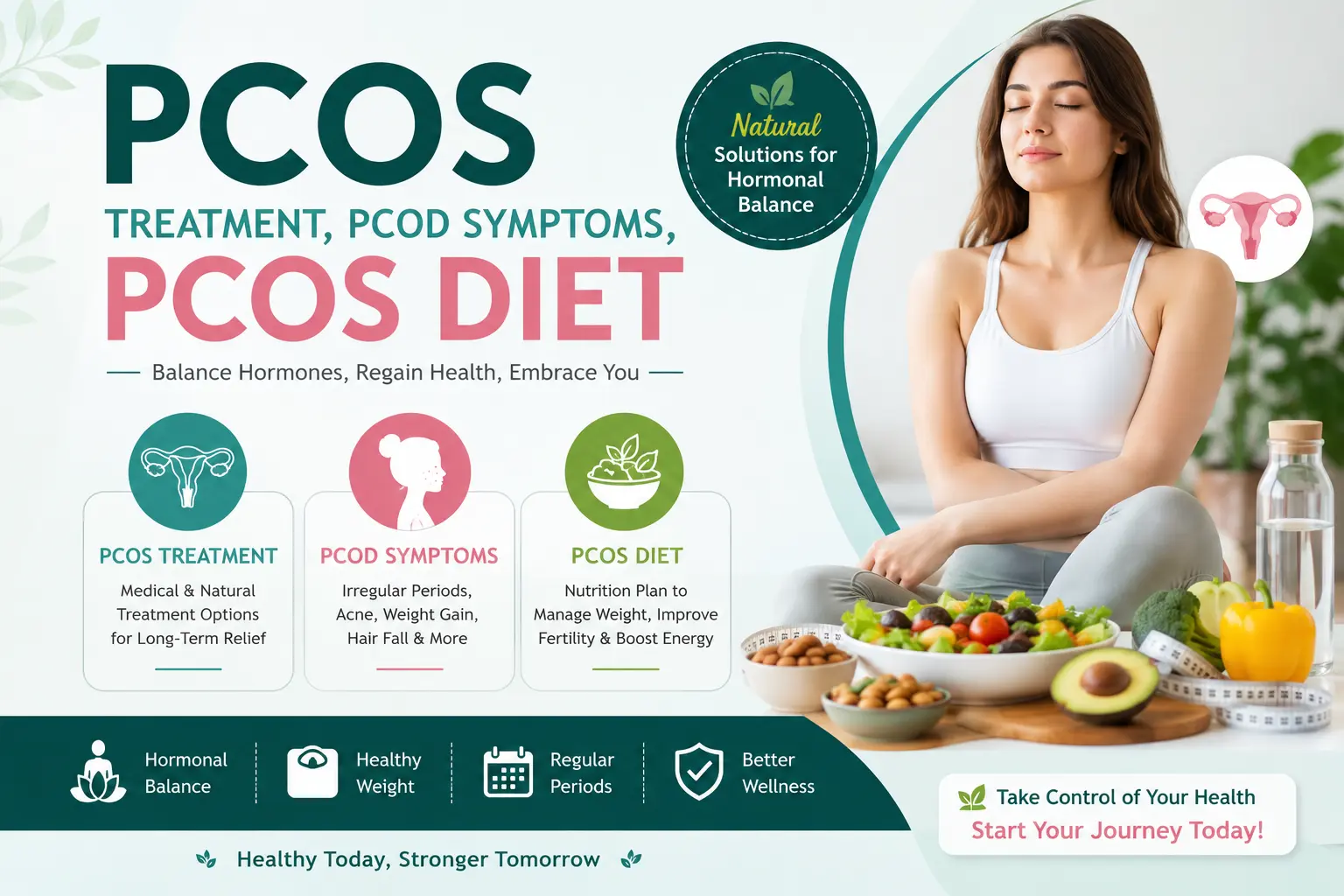
If you’ve been told you have PCOS or PCOD, or you’re struggling with irregular periods, unexplained weight gain, or acne that just won’t go away, you’re not alone. Polycystic Ovary Syndrome (PCOS) and Polycystic Ovarian Disease (PCOD) are among the most common hormonal disorders affecting women of reproductive age today. In fact, studies suggest that nearly 1 in 5 women worldwide may be living with some form of PCOS or PCOD, often without even realizing it.
The good news? With the right knowledge, timely diagnosis, and effective PCOS treatment, PCOS and PCOD are very manageable conditions. In this comprehensive guide, we’ll break down everything you need to know — from causes and symptoms to PCOS treatment options and the best PCOS diet plan — in simple, easy-to-understand language.
What Is PCOS/PCOD?
PCOS (Polycystic Ovary Syndrome) and PCOD (Polycystic Ovarian Disease) are hormonal disorders that affect how a woman’s ovaries function. In both conditions, the ovaries produce an excess of androgens (male hormones), which disrupts the normal ovulation process. This often leads to the formation of small fluid-filled sacs (cysts) on the ovaries, irregular periods, and a range of other symptoms.
Although the two terms are frequently used interchangeably, there are some subtle differences between them.
PCOS vs PCOD: What’s the Difference?
Many women assume PCOS and PCOD are the same thing, but there are a few key distinctions:
- PCOD (Polycystic Ovarian Disease) is more common and generally milder. The ovaries release immature or partially mature eggs, which eventually turn into cysts. Most women with PCOD can still conceive with proper treatment, and symptoms often improve with diet and lifestyle changes.
- PCOS (Polycystic Ovary Syndrome) is a more serious metabolic and endocrine disorder. It involves a significant hormonal imbalance that can affect ovulation, insulin resistance, and overall metabolic health. PCOS carries a higher risk of complications like infertility, type 2 diabetes, and cardiovascular disease if left untreated.
Regardless of which condition you’re diagnosed with, starting the right PCOS treatment early is key to avoiding long-term complications.
What Causes PCOS/PCOD?
The exact cause of PCOS/PCOD isn’t fully understood, but research points to a combination of genetic, hormonal, and lifestyle factors, including:
- Insulin Resistance – Many women with PCOS have higher-than-normal insulin levels, which can trigger the ovaries to produce more androgens.
- Hormonal Imbalance – Elevated levels of luteinizing hormone (LH) and androgens disrupt normal ovulation.
- Genetics – Having a mother or sister with PCOS/PCOD increases your risk significantly.
- Excess Weight – Obesity can worsen insulin resistance and hormonal imbalances, though PCOS also affects women with normal weight.
- Chronic Inflammation – Low-grade inflammation has been linked to higher androgen production in women with PCOS.
- Lifestyle Factors – Poor diet, lack of physical activity, and high stress levels can all contribute to worsening symptoms . Common Symptoms of PCOS/PCOD
Symptoms can vary widely from woman to woman, and some may experience only mild signs while others face more severe disruptions. The most common symptoms include:
- Irregular, infrequent, or prolonged menstrual cycles
- Heavy bleeding during periods
- Excess facial or body hair growth (hirsutism)
- Persistent acne or oily skin
- Unexplained weight gain, especially around the abdomen
- Thinning hair or hair loss on the scalp
- Darkening of skin, particularly around the neck and armpits (acanthosis nigricans)
- Difficulty conceiving
- Mood swings, anxiety, or depression
- Fatigue and sleep disturbances, including sleep apnea
If you notice several of these symptoms together, it’s important to consult a gynecologist for proper evaluation rather than self-diagnosing.
How Is PCOS/PCOD Diagnosed?
There’s no single test to confirm PCOS/PCOD. Instead, your gynecologist will typically use a combination of methods:
- Medical History Review – Discussing your menstrual cycle patterns, weight changes, and family history.
- Physical Examination – Checking for signs like excess hair growth, acne, or skin discoloration.
- Pelvic Ultrasound – To check for the presence of multiple small cysts on the ovaries and assess the thickness of the uterine lining.
- Blood Tests – Measuring hormone levels including androgens, LH, FSH, insulin, and thyroid function to rule out other conditions.
A diagnosis is usually confirmed when at least two of the following three criteria (known as the Rotterdam criteria) are present: irregular ovulation, elevated androgen levels, and polycystic ovaries on ultrasound.
PCOS Treatment Options
PCOS treatment is highly individualized and depends on your symptoms, whether you’re trying to conceive, and your overall health goals. The right PCOS treatment plan usually combines lifestyle changes with medical support. Common approaches include:
1. Lifestyle Modifications
For many women, especially those with PCOD, weight management through diet and exercise is the first line of treatment. Even a 5-10% reduction in body weight can significantly improve symptoms and restore regular ovulation.
2. Medications
- Birth control pills – Help regulate periods and reduce androgen levels.
- Metformin – Often prescribed to improve insulin sensitivity, especially in women with insulin resistance.
- Anti-androgen medications – Help reduce excess hair growth and acne.
- Ovulation-inducing drugs (like Clomiphene or Letrozole) – Prescribed for women trying to conceive.
3. Fertility Treatment
If PCOS is affecting your ability to conceive, PCOS treatment may include ovulation induction, and in some cases, procedures like IUI (Intrauterine Insemination) or IVF (In Vitro Fertilization) may be considered.
4. Managing Symptoms
Dermatological treatments for acne and hair growth, along with mental health support for anxiety or mood changes, are often part of a holistic treatment plan.
PCOS Diet: Best Foods for Managing Symptoms
A proper PCOS diet plays a powerful role alongside medical PCOS treatment, particularly because insulin resistance is at the core of the condition for many women. Here are some general dietary principles that can help:
- Choose low-glycemic index foods – Whole grains, legumes, and vegetables help keep blood sugar and insulin levels stable.
- Increase fiber intake – Fiber-rich foods slow digestion and help control insulin spikes.
- Prioritize lean protein – Chicken, fish, eggs, and plant-based proteins support satiety and muscle health.
- Include healthy fats – Nuts, seeds, olive oil, and avocados support hormone production without spiking insulin.
- Limit processed foods and sugar – Refined carbohydrates and sugary snacks can worsen insulin resistance.
- Stay hydrated – Adequate water intake supports metabolism and overall hormonal balance.
- Consider anti-inflammatory foods – Berries, leafy greens, turmeric, and fatty fish may help reduce the chronic inflammation associated with PCOS.
Regular physical activity — even a 30-minute walk most days of the week — combined with these dietary changes can make a noticeable difference within a few months.
Can PCOS/PCOD Be Cured Completely?
There is currently no permanent cure for PCOS/PCOD, but consistent PCOS treatment can effectively manage the condition through a combination of medical care, lifestyle changes, and ongoing monitoring. Many women go on to have regular cycles, healthy pregnancies, and reduced symptoms with the right PCOS treatment plan.
Complications of Untreated PCOS/PCOD
Ignoring PCOS/PCOD symptoms can lead to long-term health risks, including:
- Type 2 diabetes
- High blood pressure and cardiovascular disease
- Endometrial hyperplasia or, in rare cases, endometrial cancer due to irregular shedding of the uterine lining
- Infertility or difficulty conceiving
- Sleep apnea
- Anxiety and depression
This is why early diagnosis and consistent management are so important, even if symptoms seem mild at first.
When Should You See a Gynecologist?
You should schedule a consultation if you experience:
- Periods that are consistently irregular or absent for several months
- Difficulty conceiving after trying for six months to a year
- Sudden or excessive hair growth or hair loss
- Persistent acne that doesn’t respond to regular skincare
- Unexplained weight gain despite a healthy lifestyle
Early evaluation allows for better symptom control and reduces the risk of long-term complications. If you’re looking for expert guidance, you can read more about related conditions like Ovarian Cysts: Types, Symptoms & Treatment or explore Infertility Treatment in Lahore for a deeper understanding of how these conditions can be connected.
Frequently Asked Questions (FAQs)
1. What is the main difference between PCOS and PCOD? PCOD is generally a milder condition where the ovaries release immature eggs that turn into cysts, and it’s often manageable with diet and lifestyle changes. PCOS is a more complex hormonal and metabolic disorder that carries a higher risk of complications like infertility and diabetes.
2. Can I get pregnant if I have PCOS/PCOD? Yes, many women with PCOS/PCOD conceive successfully, especially with proper PCOS treatment such as ovulation-inducing medications, lifestyle changes, and in some cases, fertility procedures like IUI or IVF.
3. Does PCOS/PCOD go away on its own? PCOS/PCOD doesn’t typically resolve completely on its own, but symptoms can improve significantly with sustained lifestyle changes, weight management, and medical treatment.
4. What foods should I avoid if I have PCOS/PCOD? It’s best to limit refined sugars, processed foods, sugary drinks, and foods high in trans fats, as these can worsen insulin resistance and inflammation.
5. Is weight loss necessary to manage PCOS/PCOD? Not all women with PCOS/PCOD are overweight, but for those who are, even a modest weight loss of 5-10% can significantly improve hormonal balance, ovulation, and overall symptoms.
6. How is PCOS/PCOD diagnosed? Diagnosis usually involves a combination of medical history review, physical examination, pelvic ultrasound, and blood tests to measure hormone levels.
7. Can PCOS/PCOD affect my mental health? Yes, the hormonal imbalances associated with PCOS/PCOD can contribute to mood swings, anxiety, and depression. It’s important to address emotional wellbeing alongside physical symptoms.PCOS Treatmen
Final Thoughts
Living with PCOS/PCOD can feel overwhelming, especially when symptoms affect your body, confidence, and fertility all at once. But with the right diagnosis, a personalized PCOS treatment plan, and consistent lifestyle habits, most women are able to manage their symptoms effectively and lead a healthy, balanced life.
If you’re experiencing symptoms of PCOS/PCOD or would like a personalized PCOS treatment and diet plan, book an appointment with Dr. Samar Hussain today, or explore our Online Gynecologist Consultation for expert PCOS treatment guidance from the comfort of your home.